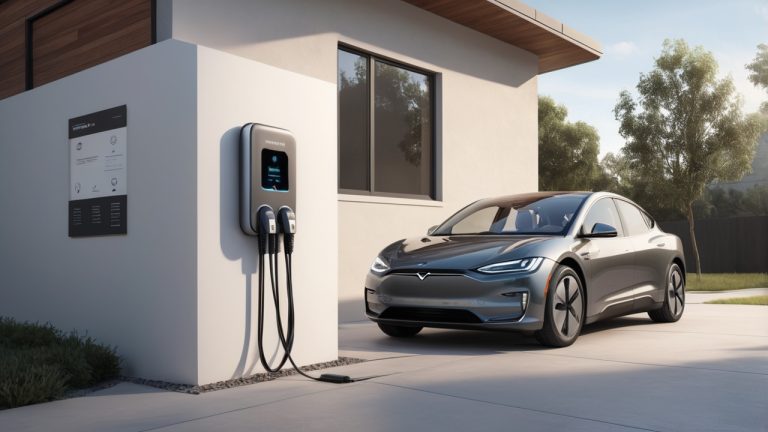
Why EV Charger Installation Matters
Understanding the importance of proper EV charger installation is crucial for every EV owner. Here are several reasons why it matters:
- Safety: Proper installation minimizes risks associated with electrical work, reducing the chances of fire hazards and electric shocks.
- Efficiency: A well-installed charger optimizes charging speed and prolongs the life of your EV’s battery.
- Convenience: Home charging offers unparalleled convenience, allowing you to charge your vehicle overnight without the hassle of public charging stations.
- Cost-Effectiveness: Efficient charging can lead to reduced electricity bills, especially when charging during off-peak hours.
Choosing the Right EV Charger
Before diving into installation, it’s essential to select the right EV charger. Here’s what to consider:
1. Types of EV Chargers
There are three main types of EV chargers:
- Level 1 Chargers: Use a standard 120V outlet and provide about 4-5 miles of range per hour. Ideal for overnight charging.
- Level 2 Chargers: Require a 240V outlet and provide about 25 miles of range per hour. Best suited for home installations.
- DC Fast Chargers: Used mainly in commercial settings, providing rapid charging but at a higher cost and power requirement.
2. Compatibility with Your Vehicle
Ensure the charger you choose is compatible with your electric vehicle model. Most EVs use Type 1 (SAE J1772) or Type 2 connectors; check your vehicle’s specifications before purchasing.
3. Smart Features
Consider chargers equipped with smart features, such as app connectivity, scheduling, and energy monitoring. These features enhance usability and efficiency, allowing you to optimize your charging habits.
Step-by-Step Installation Guide
Now that you have chosen the right charger, follow these steps for a successful installation:
Step 1: Assess Your Electrical System
Before installation, evaluate your home’s electrical capacity. A Level 2 charger requires a dedicated circuit and may necessitate an upgrade to your electrical panel if it cannot support the additional load. Consult with a licensed electrician to determine your system’s capabilities.
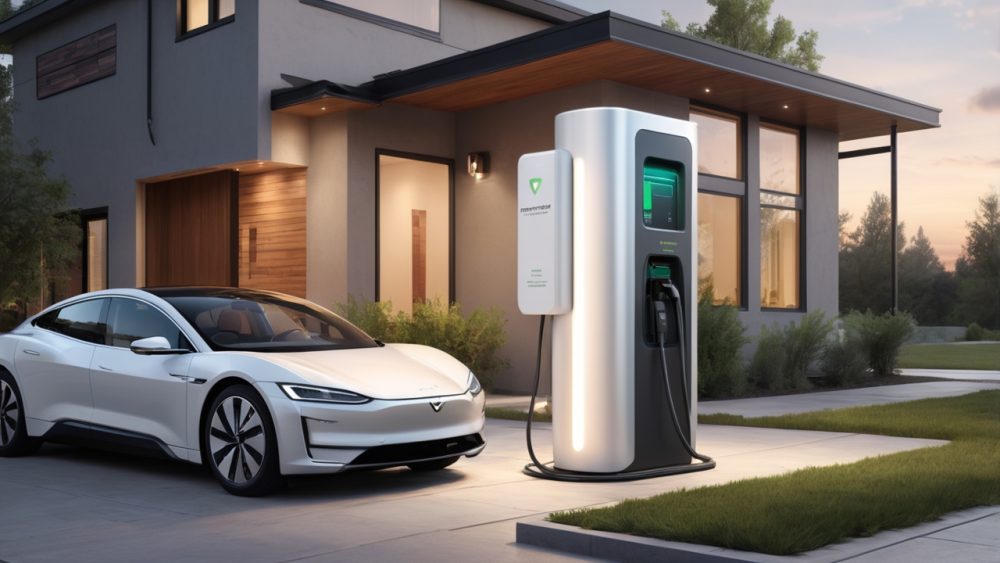
Step 2: Obtain Necessary Permits
Check local regulations regarding EV charger installations. Many areas require permits for electrical work. Your electrician can assist with this process, ensuring compliance with local codes.
Step 3: Choose the Installation Location
Select a suitable location for your charger, ideally close to where you park your EV. Ensure the area is accessible and free from obstructions. Consider proximity to your electrical panel to minimize wiring costs.
Step 4: Install the Charging Station
Once you have your permits and location, it’s time for installation:
- Turn Off Power: Ensure that the power to the circuit is turned off before starting the installation.
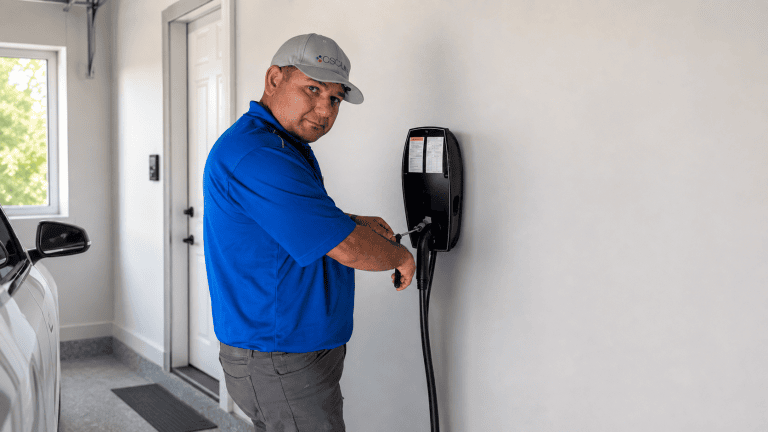
- Mount the Charger: Follow the manufacturer’s instructions to securely mount the charger on the wall.
- Connect Wiring: Connect the charger to the dedicated circuit, ensuring that all connections are secure and meet electrical codes. This step is best handled by a professional electrician.
- Turn On Power: Once the wiring is complete, turn the power back on to test the charger.
- Test the Charger: Plug in your EV to ensure that the charger functions correctly. Check for any error messages or issues.
Step 5: Monitor Performance
After successful installation, monitor the charger’s performance over the next few weeks. Most smart chargers come with apps that allow you to track charging habits and energy usage.
Common Mistakes to Avoid During Installation
To ensure a smooth installation process, be mindful of these common mistakes:
- Neglecting Electrical Capacity: Failing to assess your home’s electrical capacity can lead to overloads and safety hazards.
- Choosing the Wrong Charger: Selecting a charger that is incompatible with your vehicle or insufficient for your charging needs can lead to frustration.
- Not Obtaining Permits: Skipping the permit process can result in fines and complications during future home inspections.
- DIY Without Expertise: Attempting to install the charger without proper electrical knowledge can pose safety risks.
Tips for Maximizing Efficiency and Safety
To ensure a successful EV charger installation, consider the following tips:
- Consult with professionals to evaluate your needs and assess your home’s electrical capacity.
- Plan for future needs. If you anticipate acquiring more EVs, consider installing a charger with higher capacity.
- Utilize existing infrastructure. If your garage has a 240V outlet, it may simplify installation.
- Stay informed about local incentives or rebates for EV charger installation.
Benefits of Proper EV Charger Installation
By following the tips outlined in this article, you can enjoy several benefits from a properly installed EV charger:
- Increased Safety: Proper installation minimizes risks associated with electrical work.
- Optimized Charging: A well-installed charger optimizes charging times and can improve battery life.
- Cost Savings: Efficient charging can lead to lower electricity bills, especially when charging during off-peak hours.
- Convenience: Having a charger at home makes it easy to charge your vehicle whenever needed.
Conclusion
Installing an EV charger at home is a significant step toward a more sustainable lifestyle. By following the tips and guidelines provided in this article, you can ensure a safe, efficient, and compliant installation. Whether you choose to DIY or hire a professional, the right preparation and knowledge will lead to a seamless experience. Start charging at home today, and enjoy the convenience of having your EV ready whenever you need it.
Frequently Asked Questions (FAQ)
1. How much does it cost to install an EV charger at home?
The installation cost can range from $500 to $2,500, depending on the charger type and any necessary electrical upgrades.
2. Can I install an EV charger myself?
While some may consider DIY installation, it is highly recommended to hire a licensed electrician to ensure safety and compliance with local codes.
3. What permits are needed for EV charger installation?
Most localities require permits for electrical installations, including EV chargers. Always check local regulations before proceeding.
4. How long does the installation process take?
Typically, the installation can be completed within a few hours to a day, depending on the complexity of the setup.
5. What type of EV charger is best for home use?
A Level 2 charger is generally recommended for home use, as it provides faster charging compared to a Level 1 charger.