Why Expert Installation Matters
Installing an EV charger is not merely a technical task; it encompasses safety, efficiency, and adherence to local regulations. An expert installation ensures that your charger operates optimally and safely, reducing the risk of electrical hazards. According to the International Energy Agency, global electric vehicle sales reached over 10 million units in 2022, emphasizing the urgency for effective charging solutions. With proper installation, you can enjoy the convenience of home charging while contributing to a sustainable future.
Key Considerations Before Installation
1. Assess Your Charging Needs
Before diving into installation, it’s essential to evaluate your charging needs. Consider the following:
- Daily Driving Habits: How far do you typically drive each day? This will determine the charging speed you need.
- Type of EV: Different EVs have varying charging requirements, so ensure compatibility with your vehicle.
- Future Needs: If you plan to purchase additional EVs in the future, consider a charger that can accommodate multiple vehicles.
2. Choosing the Right Charger
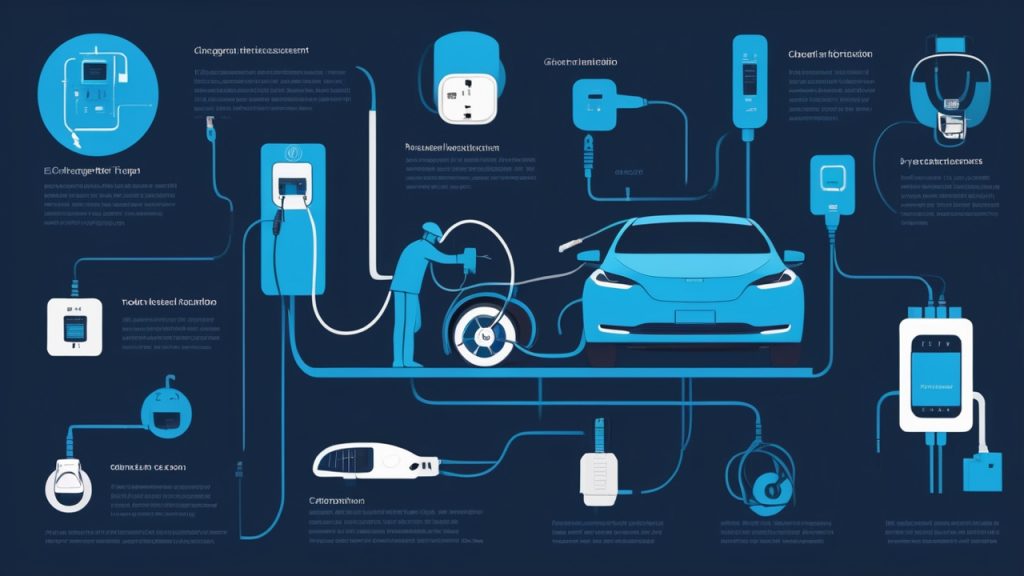
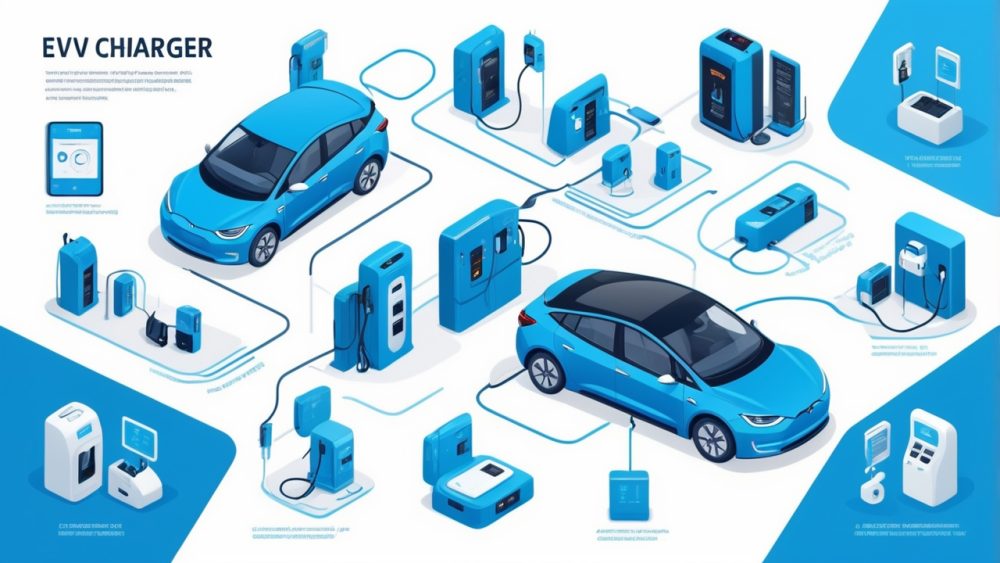
There are three primary types of EV chargers:
- Level 1 Chargers: These chargers use a standard 120V outlet and are typically the most affordable option. They provide about 4-5 miles of range per hour.
- Level 2 Chargers: Requiring a 240V outlet, Level 2 chargers are the most popular for home installations, offering approximately 25 miles of range per hour.
- DC Fast Chargers: Designed for rapid charging, these are usually installed in commercial settings and are not practical for home use due to their high cost and power requirements.
3. Evaluating Your Electrical System
Your home’s electrical capacity is a critical factor in the installation process. Here’s what to consider:
- Amperage Rating: Check if your existing electrical panel can support the additional load from an EV charger.
- Distance from Electrical Panel: The further the charger is from your electrical panel, the more complex and costly the installation may be.
- Potential Upgrades: You may need to upgrade your panel or wiring to accommodate a Level 2 charger.
The Installation Process: Step-by-Step Guide
Now that you have a clear understanding of your needs and the right charger, here’s a step-by-step guide to the installation process:
Step 1: Conduct a Site Assessment
Before installation, it’s advisable to have a licensed electrician conduct a site assessment. This evaluation will help determine:
- The optimal location for the charger
- The necessary electrical upgrades
- Compliance with local codes and regulations
Step 2: Obtain Necessary Permits
Most localities require permits for electrical installations. Your electrician will typically handle this process, ensuring compliance with local regulations.
Step 3: Choose the Installation Location
Identify a suitable location for your EV charger that is:
- Close to where you park your vehicle
- Accessible to your electrical panel
- Protected from environmental elements, if applicable
Step 4: Install the Charging Station
Once the site assessment and permits are complete, it’s time for installation. The steps typically include:
- Turn Off Power: Safety first—ensure that the power to the circuit is turned off.
- Mount the Charger: Follow the manufacturer’s instructions for securely mounting the charger.
- Connect Wiring: Your electrician will connect the charger to the dedicated circuit, ensuring all connections are secure and comply with electrical codes.
- Turn On Power: After installation, the electrician will turn the power back on and test the charger.
- Test the Charger: Plug in your EV to ensure everything functions correctly and there are no error messages.
Step 5: Monitor Performance
After installation, monitor the charger’s performance over the next few weeks. Most smart chargers come with apps that allow you to track charging habits and energy usage.
Benefits of Expert EV Charger Installation
Investing in expert EV charger installation comes with numerous advantages:
1. Safety and Compliance
Professionals are trained to handle electrical work safely, reducing the risk of accidents and ensuring compliance with local codes.
2. Optimal Performance
With expert installation, your charger will operate at maximum efficiency, prolonging the life of both the charger and your vehicle’s battery.
3. Time Savings
Experienced electricians can complete the installation quickly and efficiently, saving you time and potential headaches.
4. Warranty Protection
Many EV charger manufacturers require professional installation to maintain warranty coverage, ensuring you have support if issues arise.
Common Mistakes to Avoid During Installation
To ensure a successful installation, be mindful of these common mistakes:
- Neglecting Electrical Capacity: Failing to assess your home’s electrical capacity can lead to overloads and safety hazards.
- Choosing the Wrong Charger: Selecting a charger incompatible with your vehicle or insufficient for your charging needs can lead to frustration.
- Not Obtaining Permits: Skipping the permit process can result in fines and complications during future home inspections.
- DIY Without Expertise: Attempting to install the charger without proper electrical knowledge can pose safety risks.
Conclusion
Expert EV charger installation is essential for maximizing the efficiency and safety of your home charging solution. By following the steps outlined in this guide, from planning and site assessment to installation and activation, you can ensure a seamless experience. As electric vehicle adoption continues to grow, having a reliable charging solution in your home not only enhances convenience but also contributes to a more sustainable future. Make the right choice today and invest in professional EV charger installation to power your journey towards sustainability.
Frequently Asked Questions (FAQ)
1. How much does it cost to install an EV charger at home?
The cost can range from $500 to $2,500, depending on the type of charger, installation complexity, and any necessary electrical upgrades.
2. Can I install an EV charger myself?
While some may consider DIY installation, it is highly recommended to hire a licensed electrician to ensure safety and compliance with local codes.
3. What permits are needed for EV charger installation?
Most localities require permits for electrical installations, including EV chargers. Always check local regulations before proceeding.
4. How long does the installation process take?
Typically, the installation can be completed within a few hours to a day, depending on the complexity of the setup.
5. What type of EV charger is best for home use?
A Level 2 charger is generally recommended for home use, as it provides faster charging compared to a Level 1 charger.