Have you ever tripped a breaker right when you turned on the microwave while the air conditioner was running? We ask a lot from our homes these days. Between smartphones, computers, smart TVs, and fancy kitchen gadgets, our power needs are growing faster than ever.
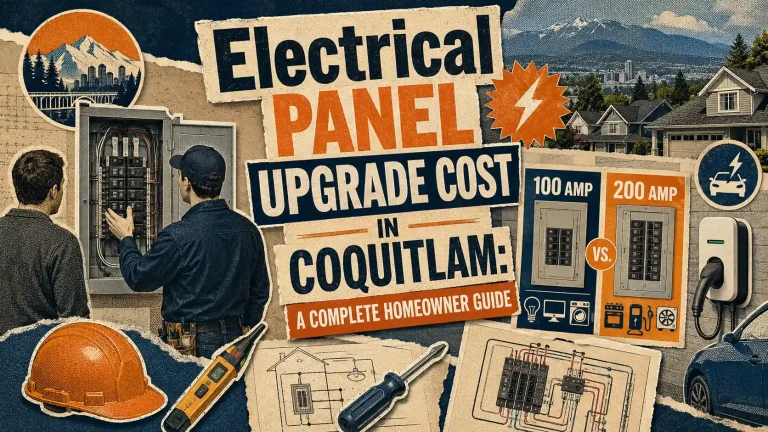
If you are looking at your home’s electrical box and wondering if it is time for a panel upgrade, you are probably stuck between the two most common choices: a 100 amp or a 200 amp panel. Let’s break down what each one means for you and your home, in plain English!
Call us today to get a professional assessment and a customized quote for your home.
What Do These Numbers Mean?
Think of your electrical panel as the heart of your home’s power system. The “amps” (which is short for amperes) just tell you how much electricity your home can safely handle at one single time.
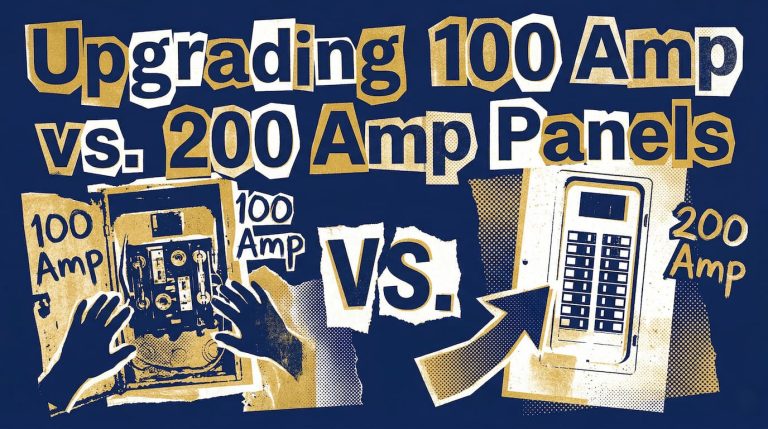
The 100 Amp Panel For a long time, 100 amps was the gold standard. If you live in an older, smaller home with gas heating, a gas stove, and regular appliances, this panel might still be working just fine for your daily routine.
The 200 Amp Panel This is the new normal. Modern homes are built with 200 amp panels from the start to handle all our current gadgets, big air conditioners, and multiple screens. Upgrading gives you double the “juice” to keep everything running smoothly without skipping a beat.
Figuring Out How Much Power You Need
How do you know which panel you actually need? It mostly comes down to how big your house is and what you plug into the walls.
- Size Matters: Generally, homes under 2,500 square feet might get by just fine on 100 amps. But if you have a larger family home, 200 amps is definitely the way to go to keep power flowing to every room.
- Power-Hungry Appliances: Do you have an electric water heater, central air conditioning, or an electric stove? These big items eat up a ton of energy. If your home relies completely on electricity rather than gas, a 100 amp panel will likely struggle to keep up.
- Fun Additions: Are you dreaming of adding a bubbling hot tub to the backyard? Thinking about buying an electric car (EV)? You will almost certainly need a 200 amp panel to charge that car or heat that tub without blowing a fuse.
Costs and Installation
Upgrading your electrical panel is a job for the pros, this is definitely not a weekend DIY project!
If you just need to replace an old, rusty, or broken 100 amp panel with a brand-new 100 amp panel, the best way to get an accurate estimate is to contact a licensed electrician for a quote based on your specific situation.
Upgrading from 100 to 200 amps requires more work, such as running new, thicker wires from the street to your house. Because every home is different, we recommend reaching out to a professional electrician to get a detailed estimate tailored to your property. For both jobs, your electrician will need to pull permits from your city to make sure everything is perfectly legal and safe.
See exactly what’s involved in professional electrical panel upgrades and get an estimate tailored to your home.
Long-Term Value and Safety
Upgrading to a 200 amp panel isn’t just about being able to plug in more TVs. It is a smart investment in your home.
- Future-Proofing: As we add more smart home technology and move toward electric cars, your home will be ready for whatever the future brings.
- Resale Value: Homebuyers love seeing a 200 amp panel. It tells them the house is fully updated and ready for their family to move in without any expensive electrical surprises.
- Safety First: Overloading a small panel is dangerous. Getting the right-sized panel prevents your wires from overheating, which helps keep your family safe from electrical fires.
Ready for a Panel Upgrade? We’re Here to Help!
If you are noticing flickering lights or simply know it is time to bring your home’s power into the modern age, the team at Intel Power Electric has you covered. With over 15 years of experience serving the Greater Vancouver area, our licensed professionals provide top-notch, reliable, and safe electrical panel upgrades throughout Port Coquitlam and the surrounding Tri-Cities.
Whether you live in Coquitlam, Maple Ridge, Port Moody, or nearby, we are available 24/7 to make sure your home’s electrical system meets all your modern needs safely. Don’t wait for an electrical emergency—reach out to us today for a free estimate and let us supercharge your home’s power capacity!
Frequently Asked Questions
How much does it cost to upgrade a 100 amp panel to 200 amps? Costs can vary depending on your home and location. Contact a licensed electrician for an accurate estimate based on your specific needs.
Is upgrading to a 200 amp electrical service worth the investment? Yes! It increases your home’s value, improves safety, and lets you add modern appliances without worrying about power limits.
How long does a main panel electrical upgrade take? A professional electrician can usually complete the job in a single day. You can expect your power to be out for about 4 to 8 hours while they work.
How can I tell if my house has 100 or 200 amp service? Open your panel door and look at the main breaker switch,usually located at the very top or bottom. It will have a number printed right on the switch, usually “100” or “200.”
Where do I find the total amp rating on my breaker box? Look for the main shut-off switch. It is usually larger and separate from the rows of smaller switches that control individual rooms. The number on that main switch is your total amp rating.
How do I calculate my current home electrical load? While you can try to add up the wattage of all your appliances, it gets tricky fast. The safest and most accurate way is to have a licensed electrician perform a formal “load calculation.”
Can a 100 amp panel run a central air conditioner? Yes, but only if you don’t have many other large electric appliances running at the exact same time. If you have an electric stove and electric dryer, adding central AC will push a 100 amp panel to its absolute limit.
Is a 200 amp panel necessary to install an EV charging station? In most cases, yes. Level 2 EV chargers draw a large, steady stream of power, which easily overloads a standard 100 amp system.
Will a hot tub overload a 100 amp electrical panel? Very likely. Hot tubs require a lot of dedicated power to keep the water hot and run the jets. Upgrading to 200 amps is almost always required before installing one.