Quick Answer: What Does a Home EV Charger Installation Cost?
The ranges below are planning estimates for a Level 2 installation in Metro Vancouver. They are not a substitute for an on-site electrical assessment, because the condition and capacity of the existing electrical system matter more than the charger’s price tag alone.
| Installation scenario | Typical planning range (CAD) | What usually affects the price |
|---|---|---|
| Simple Level 2 installation | $1,200 to $1,900 | Panel has capacity, charger is close to the panel, and the cable route is accessible. |
| Standard installed Level 2 charger | $1,700 to $3,000 | Includes a longer cable run, a quality charger, normal materials, permit, and inspection. |
| Long run, exterior route, or complex mounting | $2,500 to $4,500+ | More wire, conduit, weatherproofing, difficult wall access, or a detached garage can add labour and materials. |
| Panel or service upgrade required | $4,000 to $8,000+ total project | The EV circuit becomes part of a larger electrical upgrade, with cost depending on panel, service, utility, and site conditions. |
Pricing note: A low advertised starting price may cover only a basic circuit or a very short run. Before comparing quotes, confirm whether the charger itself, permit, inspection, cable length, breaker, conduit, wall mounting, and any drywall or concrete work are included.
Level 1 vs. Level 2: Which Home Charging Setup Makes Sense?
Many vehicles include a portable charging cord that can plug into a standard 120-volt outlet. This is commonly called Level 1 charging. It can work well for low daily mileage or a plug-in hybrid that has a relatively small battery, but it adds range slowly and should only be used with an outlet and circuit that are in good condition.
Level 2 charging uses a dedicated 208- or 240-volt circuit and is the usual choice for homeowners who want to recharge overnight. Depending on the vehicle, charger output, battery condition, and weather, it can add substantially more range per hour than Level 1. The vehicle controls how much power it will accept, so buying the highest-output charger available does not automatically make every EV charge faster.
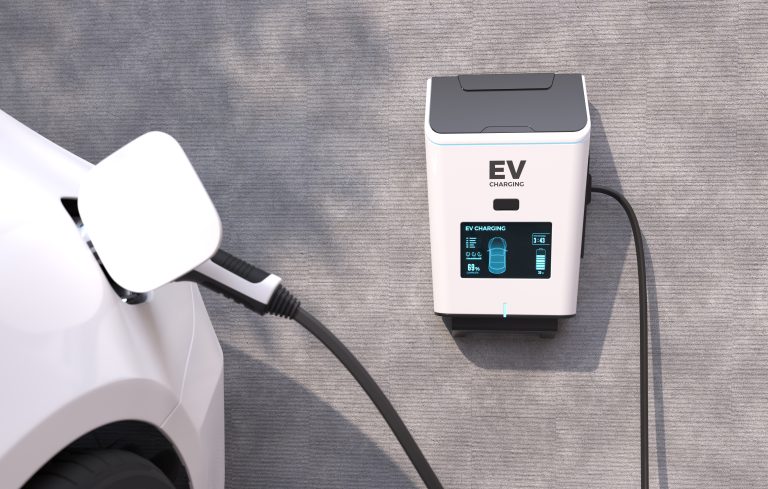
It is also helpful to use the right term: the wall-mounted equipment is technically EV supply equipment, often called an EVSE. It communicates safely with the vehicle and supplies power. People often call it an “EV charger,” which is perfectly common, but the vehicle’s onboard equipment does the actual battery charging.
What You Are Actually Paying For
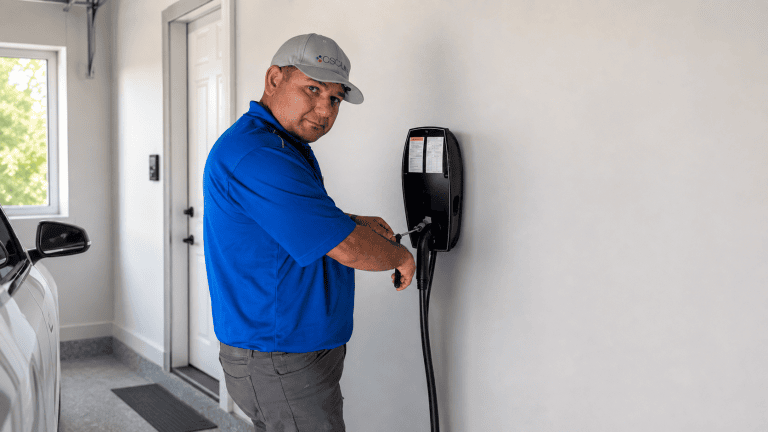
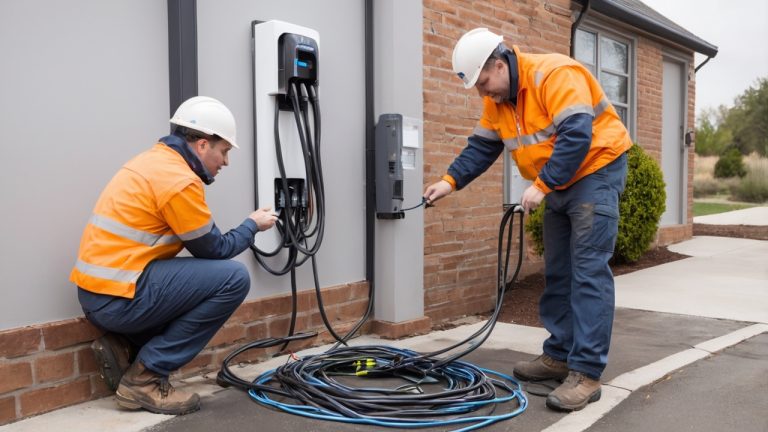
A professional Level 2 installation is more than mounting a device on a garage wall. A complete scope normally includes:
- An assessment of the electrical panel, available space, and electrical load.
- A dedicated circuit, correctly sized breaker, wiring, and required protection.
- A safe cable route from the panel to the parking location.
- The charger installation, whether hardwired or plug-in where suitable.
- Conduit, junction boxes, weatherproof equipment, and secure mounting where the location requires them.
- Handling of the applicable electrical permit and inspection process.
- Testing, labelling, and a clear explanation of how to use the equipment.
Ask the contractor to separate the charger price from the electrical work in the written quote. That makes it easier to compare a basic unit with a smart unit, and it prevents a low equipment price from masking a costly installation.
The Five Factors That Change Your Final Price
1. Electrical-panel capacity, not just panel size
A 200-amp panel can still be heavily loaded, and a 100-amp panel does not automatically mean a service upgrade is necessary. An electrician needs to evaluate the home’s existing electrical demand, major loads, and the proposed EV circuit. Electric heat, a heat pump, air conditioning, an electric range, a hot tub, a suite, or future renovation plans can all affect the result.
If the panel cannot safely support the additional continuous load, the options may include a panel upgrade, a service upgrade, or an approved energy-management solution where appropriate. The correct choice depends on the property and applicable electrical requirements, not on a one-size-fits-all rule.
2. Distance and route from the panel to the parking space
Wire and labour add up quickly over long distances. A panel on the other side of a finished basement from the garage will usually cost more than a panel sharing a wall with the charging location. Concrete walls, finished ceilings, crawl spaces, landscaping, and the need to cross a driveway can also change the work substantially.
3. Charger output and circuit design
Common residential Level 2 chargers provide 32, 40, or 48 amps of charging output. Higher output can be useful for vehicles that can accept it, but it often requires a larger circuit and heavier wiring. EV charging is treated as a continuous electrical load, so the circuit must be sized correctly for the charger’s rated output. Your electrician should recommend the circuit and equipment based on the vehicle, your driving pattern, and the home’s load calculation.
4. Indoor, outdoor, hardwired, or plug-in installation
An indoor garage installation is often the simplest. Outdoor chargers need equipment rated for the environment and a thoughtful route for wiring and conduit. A hardwired charger can be a clean, durable option. A plug-in model may also be appropriate, but the receptacle, breaker, wire, and plug configuration must be selected for the equipment and installed correctly. Do not assume an existing dryer receptacle is suitable for an EV charger.
5. The type and condition of the home
Older homes sometimes have limited panel space, ageing equipment, or wiring routes that are difficult to access. Newer homes may already have EV-ready conduit or spare capacity. Detached garages, laneway homes, and parking areas far from the house can require trenching, a feeder, or a subpanel. These are legitimate cost drivers, so a reliable quote should explain them in plain language.
Do You Need an Electrical Panel Upgrade for an EV Charger?
Not necessarily. A panel upgrade should be recommended only after a proper load assessment, not simply because the home has 100-amp service. In some homes, a correctly designed EV energy-management system may allow charging without a full service upgrade. In others, a panel or service upgrade is the safest long-term decision, especially where the home already has significant electric loads or will add them soon.
Before approving an upgrade, ask these questions:
- What did the load calculation show?
- Is the issue a lack of electrical capacity, a lack of breaker space, or both?
- Is a subpanel or energy-management solution suitable for this home?
- Will the proposed work support a future second EV, heat pump, or renovation?
- Which costs are part of the EV charger work and which belong to the wider electrical upgrade?
Permits, Inspection, and Why They Belong in the Quote
A Level 2 charger adds a new high-voltage circuit to your home. In British Columbia, electrical work must follow applicable safety requirements, and permit and inspection responsibilities should be clear before work begins. Requirements can vary by location and project, so ask the contractor who will obtain the applicable permit, what inspection is required, and whether those costs are included in the price.
This is not paperwork to skip. A properly documented installation helps protect the people using the home, supports future resale conversations, and gives you a record of what was installed. It also helps ensure the charger, circuit, and panel work together safely.
Home EV Charger Rebates in BC
Eligible BC homeowners and renters may be able to receive a rebate through the CleanBC Go Electric Home and Workplace Charging Program. At the time this guide was reviewed, the Level 2 home-charger offer reimburses 50% of eligible costs up to $350 for eligible applicants, with higher amounts listed for Indigenous individuals. Program funding, eligible equipment, and application requirements can change, so review the current CleanBC Go Electric residential charging requirements before you buy equipment or schedule installation.
If you live in a condo, townhouse, or other multi-unit residential building, do not assume the single-family process applies. You may need strata approval, landlord consent, a plan for electricity billing, and an assessment of the building’s shared electrical capacity. Starting with written approval can prevent an expensive redesign later.
How to Keep the Cost Reasonable Without Cutting Corners
- Choose the right output: A 32- or 40-amp charger can be enough for many overnight charging routines. Pay for 48 amps only if your vehicle, commute, and electrical system make it worthwhile.
- Plan the parking location early: Putting the charger close to the panel or along an accessible route can reduce cable and labour costs.
- Think one step ahead: If a second EV, a renovation, or a heat pump is likely, mention it during the assessment. Planning the electrical route now can cost less than reopening finished walls later.
- Compare like-for-like quotes: Give each electrician the same information: vehicle, preferred charger, parking location, panel photos, and approximate route. Then compare what is included, not just the total.
- Confirm rebate eligibility before purchasing: An ineligible charger or missed documentation requirement can remove the expected rebate.
A Practical Checklist Before You Request a Quote
Providing good information upfront helps an electrician give you a more accurate estimate. Have these details ready:
- The EV make, model, and whether you already own a charger.
- Photos of the electrical panel, its main breaker rating, and open breaker spaces.
- Photos of the parking location and the proposed charger wall or post.
- An estimate of the path from the panel to the charger location.
- Whether the charger will be indoors, outdoors, in a detached garage, or at a strata property.
- Any large electrical loads now or planned soon, such as a heat pump, hot tub, suite, or electric range.
- Whether you want to charge a second EV in the future.
Frequently Asked Questions About Home EV Charger Installation Cost
How much does it cost to install a Level 2 EV charger at home in BC?
A straightforward installed Level 2 setup commonly lands around $1,200 to $3,500 CAD in Metro Vancouver when the charger, circuit, labour, materials, permit, and inspection are included. Complex routing, a detached garage, or a panel or service upgrade can push the project above that range.
Can I install a Level 2 EV charger on a 100-amp panel?
Sometimes, but it depends on the home’s electrical load calculation and available panel space. A 100-amp service is not an automatic “no,” just as a 200-amp panel is not an automatic “yes.” An electrical assessment should determine the safe options.
Do I need a permit for a home EV charger in BC?
New 240-volt EV charging circuits require the work to meet applicable electrical safety requirements. Ask the contractor to confirm the permit and inspection process for your municipality and to show whether it is included in the quote.
Can I plug my EV charger into an existing dryer outlet?
Do not assume that an existing dryer outlet is compatible or safe for EV charging. EVs can draw power for many hours, and the outlet, wiring, breaker, and load on the circuit all need to be suitable. Have a qualified electrician assess any existing circuit before using it.
Should I buy the charger myself or let the electrician supply it?
Either approach can work. Supplying your own unit gives you direct control over the model, while a contractor-supplied charger can simplify compatibility, warranty support, and scheduling. In either case, confirm that the equipment is approved for use in Canada and that the quoted installation matches its electrical requirements.
How long does an EV charger installation take?
A simple garage installation can often be completed in a single visit. More complex jobs can take longer because of routing, permits, inspections, utility coordination, trenching, or a panel upgrade. Ask for the expected schedule after the site assessment rather than relying on a generic timeline.
Get a Quote That Explains the Work
The best EV charger quote is not necessarily the lowest number. It is the one that clearly explains the charger output, circuit design, cable route, permit and inspection process, inclusions, exclusions, and any panel-capacity findings. That clarity lets you make a confident decision before work starts.
If you are planning a Level 2 charger in Coquitlam, Port Coquitlam, Port Moody, Burnaby, or elsewhere in Metro Vancouver, contact Intel Power Electric for an EV charger installation assessment. A site-specific review of your panel and parking location is the most reliable way to receive an accurate, safety-focused price.