The Importance of Understanding EV Charger Installation Costs
Electric vehicles are more than just a trend; they represent a significant shift towards sustainability. According to the International Energy Agency (IEA), global electric car sales reached 10 million units in 2022, indicating a growing need for infrastructure, including home charging solutions. Installing an EV charger is crucial for seamless daily usage, but understanding the associated costs helps you budget effectively and avoid unexpected expenses.
Key Factors Influencing EV Charger Installation Costs
Several factors can impact the overall cost of EV charger installation. Here, we break down the main components to consider:
1. Type of Charger
The type of EV charger you choose significantly affects installation costs. There are three main types:
- Level 1 Charger: Uses a standard 120V outlet and generally costs less to install. However, it provides slower charging speeds, suitable for overnight charging.
- Level 2 Charger: Requires a 240V outlet and is the most popular choice for home installations. Although it has a higher installation cost, it offers faster charging times, making it more efficient for daily use.
- DC Fast Charger: While not typically used in residential settings due to high costs and power requirements, it’s essential to note that this type of charger can be significantly more expensive to install and operate.
2. Electrical System Upgrades
Your home’s existing electrical infrastructure plays a critical role in installation costs. If your electrical panel cannot handle the additional load from an EV charger, you may need to upgrade it. Factors to consider include:
- The amperage of your existing electrical service
- The distance between your electrical panel and the charger location
- Potential upgrades needed for compliance with local codes
3. Labor Costs
Labor costs can vary based on location, the complexity of the installation, and the contractor’s experience. On average, you can expect to pay between $50 to $150 per hour for professional installation services. Factors influencing labor costs include:
- The complexity of the installation (e.g., simple installations vs. those requiring extensive rewiring)
- Regional labor rates
- Time of year (demand fluctuations may influence pricing)
4. Permits and Inspections
Many localities require permits for electrical work, including EV charger installations. The cost of permits varies by location but can range from $50 to $200. Additionally, some areas may require inspections after installation, which can incur further costs.
5. Additional Features
If you choose a charger with smart features, such as Wi-Fi connectivity, mobile app integration, or energy monitoring, these additional features may increase the initial cost of the charger and installation. However, they can lead to long-term savings through optimized charging and energy management.
Estimated Costs of EV Charger Installation
To provide a clearer picture, here’s a breakdown of estimated costs for different types of EV charger installations:
Level 1 Charger Installation
For a Level 1 charger using a standard outlet:
- Charger Cost: $300 – $600
- Installation Cost: $100 – $300 (if no upgrades are needed)
- Total Estimated Cost: $400 – $900
Level 2 Charger Installation
For a Level 2 charger requiring a 240V outlet:
- Charger Cost: $500 – $1,200
- Installation Cost: $300 – $1,500 (including possible panel upgrades)
- Total Estimated Cost: $800 – $2,700
DC Fast Charger Installation
For a commercial-grade DC fast charger:
- Charger Cost: $10,000 – $50,000
- Installation Cost: $5,000 – $15,000
- Total Estimated Cost: $15,000 – $65,000
Benefits of Installing an EV Charger at Home
Investing in home EV charger installation comes with numerous benefits:
1. Convenience
Having an EV charger at home means you can charge your vehicle overnight, ensuring it’s ready to go every morning without the need to visit a public charging station.
2. Cost Savings
Charging at home is often cheaper than using public charging stations, especially if you take advantage of time-of-use electricity rates. Additionally, some utility companies offer rebates for installing EV chargers, further reducing costs.
3. Increased Home Value
As the demand for electric vehicles increases, having an EV charger can be a selling point for your home. It adds value and appeals to potential buyers who own or plan to purchase an electric vehicle.
4. Environmental Impact
By charging your EV at home, you contribute to a reduction in greenhouse gas emissions, especially if you utilize renewable energy sources like solar power.
Common Mistakes to Avoid During Installation
To ensure a successful installation, be mindful of these common mistakes:
- Neglecting Electrical Capacity: Failing to assess your home’s electrical capacity can lead to overloads and safety hazards.
- Choosing the Wrong Charger: Selecting a charger that is incompatible with your vehicle or insufficient for your charging needs can lead to frustration.
- Not Obtaining Permits: Skipping the permit process can result in fines and complications during future home inspections.
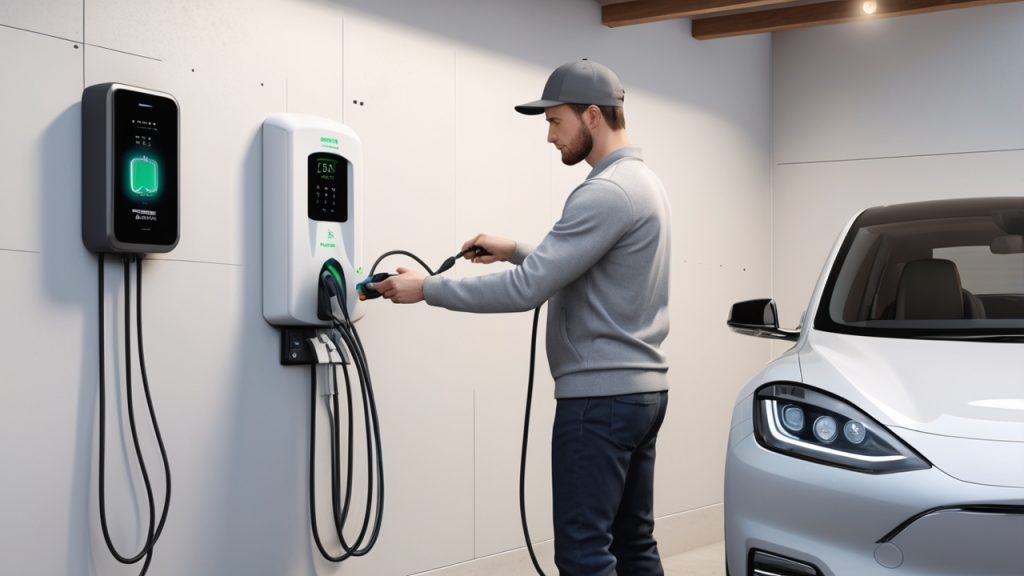
- DIY Without Expertise: Attempting to install the charger without proper electrical knowledge can pose safety risks.
How to Save on EV Charger Installation Costs
There are several strategies you can employ to minimize installation costs:
- Shop Around: Get multiple quotes from different contractors to ensure you get the best price.
- Consider Government Incentives: Research available rebates and tax credits for EV charger installation in your area.
- Bundle Services: If you need other electrical work done, consider bundling services to save on labor costs.
- Schedule During Off-Peak Times: Some contractors may offer lower rates during slower seasons.
Conclusion
Understanding EV charger installation costs is essential for making informed decisions about your electric vehicle ownership journey. By considering the various factors that influence pricing, you can budget effectively and avoid unexpected expenses. Investing in a home EV charger not only enhances convenience but also contributes to a more sustainable future. Whether you choose a Level 1 or Level 2 charger, ensuring a professional installation will maximize your investment and provide you with a reliable charging solution. Start exploring your options today and take a significant step towards a greener tomorrow.
Frequently Asked Questions (FAQ)
1. How much does it typically cost to install an EV charger?
The cost can range from $400 for a Level 1 charger to $2,700 for a Level 2 charger, depending on various factors like electrical upgrades and labor costs.
2. Can I install an EV charger myself?
While some may consider DIY installation, it is highly recommended to hire a licensed electrician to ensure safety and compliance with local codes.
3. What permits do I need for EV charger installation?
Most localities require permits for electrical installations, including EV chargers. Always check local regulations before proceeding.
4. How long does the installation process take?
Typically, the installation can be completed within a few hours to a day, depending on the complexity of the setup.
5. Are there any rebates available for installing an EV charger?
Many utility companies and government programs offer rebates and incentives for installing EV chargers. Check with your local utility for availability.