
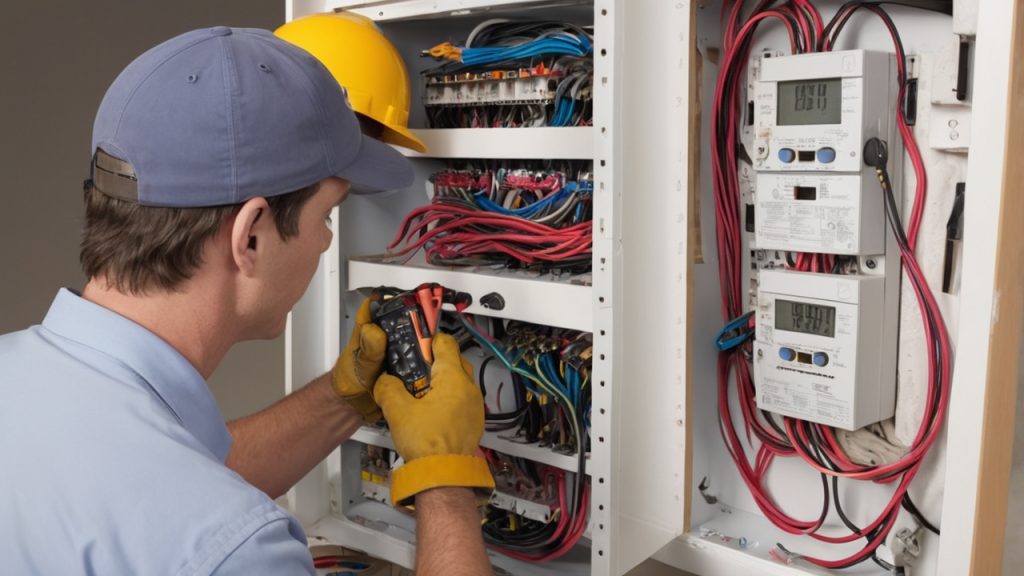
Are you planning a remodel in Tricity and wondering who should be trusted with the wiring that hides behind your walls? A renovation electrician is not a commodity: they are a partner in safety, code compliance, and the successful delivery of your design. Choosing poorly leads to delays, extra expense, and long-term risk; choosing well yields a quiet, reliable home where everything simply works. Renovation Electricians Tricity This article walks you through the essentials—licensing, contractor selection, the remodeling workflow, permit navigation, real-world examples, budgeting, and the specific questions you must ask to vet candidates properly—so you can hire with confidence and keep your renovation on schedule and on budget.
Read on and you’ll gain a practical checklist for hiring trusted tradespeople, see what a professional renovation electrician actually does at each stage, and learn how to avoid the common traps homeowners face in retrofit work. Whether your project is a kitchen overhaul, a basement suite conversion, or a whole-home rewiring, Renovation Electricians Tricity the right electrician shapes both the safety and the success of the outcome. Let’s get started.
Why a Renovation Electrician Matters More Than a Repair Electrician
On the surface, electrical work looks straightforward: wire, breaker, switch. But a renovation is different from a repair. Repair work tends to be short and focused: replace a faulty outlet, or correct a flicker. Renovation work, by contrast, fundamentally alters circuit layouts, Renovation Electricians Tricity relocates fixtures, integrates new systems, and often must reconcile decades of previous interventions. A trusted renovation electrician brings planning skills, anticipation of hidden problems, and the ability to integrate with other trades, because a remodel is a choreography of many moving parts.
In practice, this means thinking in systems rather than fixes. A repair-minded electrician might patch a circuit and leave the rest as-is; a renovation electrician draws a schematic, performs a load calculation, proposes panel or feeder upgrades when necessary, and coordinates with inspectors so your finished space is both beautiful and safe. That combination of foresight and craft is what prevents mid-project surprises and long-term headaches.
Moreover, remodel work often carries legal and resale implications: code compliance, permits, warranties, and clear documentation. The electrician you choose must be able to supply each of these. If they cannot, the job is likely to cost you more in time, money, and stress than you anticipated.
Core Qualities of Trusted Renovation Electricians in Tricity
Licensing and insurance: non-negotiable basics
First and foremost, verify that any electrician you consider carries the proper license for electrical work in your jurisdiction and has current liability insurance and workplace coverage. Licensing confirms they meet minimum technical standards and are accountable to a regulatory body; insurance protects you if something goes wrong. Ask to see these documents and note expiration dates—proper professionals will produce them immediately.
Remodel experience, not only maintenance
Remodeling throws unique problems at the trades. Trusted professionals will show a portfolio of retrofit jobs: photos, references, and ideally, contactable clients who had similar scopes. Ask specifically about experience with the same building era as your home because a 1940s bungalow, a 1970s split level, and a 2005 suburban build all conceal different wiring realities and common pitfalls.
Transparent, itemized quotes
A reliable electrician provides a line-item estimate: materials, labor hours, permit fees, contingency allowance. Vague lump-sum bids mask risk. When quotes are clear you can compare contractors and understand what you’re paying for. If someone won’t, or can’t, provide this level of detail, move on.
Code knowledge and permits
A trusted renovation electrician knows current code requirements and has experience pulling permits and handling inspections in Tricity. They will anticipate rules about AFCI/GFCI protection, box fill, proper grounding, and panel labeling. Importantly, they’ll coordinate with the building department so the work passes inspection—unpermitted electrical work can create major problems down the line for insurance and resale.
Clear communication and warranty
Excellence is as much about how a contractor communicates as it is about technical skill. Trusted electricians explain trade-offs, timelines, and constraints in plain language, update you as issues arise, and stand behind their work with a written workmanship warranty. This is the practical difference between “they did the job” and “they did it well and responsibly.”
Step-by-Step: How a Professional Handles a Remodel
1. Discovery and site walk
The first visit is crucial. A good electrician walks the site, photographs the existing panel and wiring routes, reviews your design, and discusses future needs—EV charging, heat pumps, home automation, or a second suite. This is where hidden conditions start to reveal themselves and where a contractor builds a realistic scope rather than a wish list.
2. Load calculation and preliminary design
Next, they perform a load calculation. This is not busywork: it quantifies how much continuous and peak current your remodeled home will require. The result guides whether the main service must be upgraded, whether a sub-panel is required, and how circuits should be allocated and balanced. This foresight prevents too-small circuits and repeated breaker trips later.
3. Permits and coordination
The electrician pulls permits and arranges inspection windows. This step protects you: municipal approval ensures the work is done to code, and inspections catch issues early when they are inexpensive to correct. Reliable tradespeople manage this paperwork; they don’t outsource it and hope for the best.
4. Rough-in wiring and routing
During the rough-in, cables, conduits, junction boxes, and sub-panels are installed before wall finishes are closed in. This phase demands meticulous routing, secure fastening, and clear labeling because once walls are closed, changes are costly. Inspectors will typically review the rough-in prior to drywall installation.
5. Trim, fixture installation, and testing
After finishes, the electrician fits switches, outlets, panels, breakers, and fixtures. They test every circuit, verify GFCI/AFCI function, and measure voltage and balance across phases. The work concludes only when all circuits meet safety tests and municipal inspections have been signed off.
6. Documentation and handover
A trusted professional hands you a clear panel schedule, wiring schematic, permit and inspection documentation, and warranty details. You should never be left guessing which breaker controls what, or where the sub-panel feed originates.
Case Example — Basement Suite Conversion
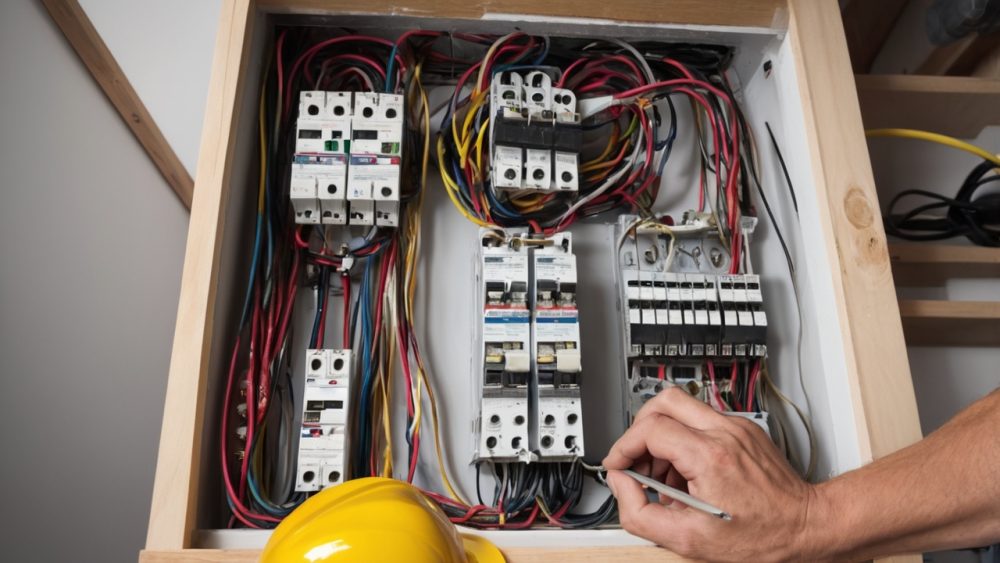
A homeowner converted a damp, underused basement into a legal secondary suite. The original panel was nearly full and the feeder size was marginal. The renovation electrician recommended a small feeder upgrade and a new 60 A sub-panel dedicated to the suite, plus separate circuits for kitchen appliances and a washing machine. They navigated inspections, used proper box fill and AFCI protection, and left clear labels and a wiring diagram. Tenants moved in without a single late-night breaker trip, and the owner avoided a costly full-service replacement by choosing the right combination of strategic upgrades.
Common Challenges in Tricity Remodels—and How Experts Solve Them
Remodeling often uncovers surprises: old wiring behind plaster, unexpected studs, or multiple trades competing in tight cavities. Expert electricians anticipate these by including contingency time and budget, using flexible conduit in congested runs, and coordinating closely with carpenters and plumbers so routing conflicts are minimized. They don’t hope for luck; they create paths that account for the unknown.
Panel capacity is another frequent issue. When the main panel is full or the service is marginal, a trusted electrician weighs options carefully: add a sub-panel, replace the main, or upgrade the service. Their recommendations are guided by the load calculation, not convenience. A short-term fix might save money today but cost more later; professionals clearly explain this trade-off.
Permit and inspection delays are real but manageable. Seasoned contractors factor inspection windows into project timelines, submit clear documentation, and follow up promptly on any deficiency reports. They treat permitting as part of the service, not an annoyance to be shrugged off.
How Much Should You Budget?
Electrical costs vary by scope, building era, accessibility, and local labor rates. Below are rough ranges to help you plan, but expect precise numbers only after a site visit:
| Scope | Typical Range (local currency) | Main Cost Drivers |
|---|---|---|
| Room rewiring, lighting & receptacles | Moderate | Wire length, patching, fixture count |
| Kitchen or bathroom expansion | High | Dedicated circuits, code-required GFCIs, new appliances |
| Basement suite with sub-panel | Higher | Feeder upgrade, sub-panel, inspections |
| Whole-house rewiring | Premium | Access, plaster removal, code remediation |
Always request itemized quotes and include a 10–20% contingency for hidden conditions. The lowest bid is not necessarily the best; prioritize contractors who clearly document exclusions, timelines, and warranty terms.
Questions to Ask Before Hiring
- Can you show licensing, insurance, and recent project photos or references?
- Do you provide a line-item estimate including permits and contingency?
- Have you worked on homes of this age and construction style before?
- Who pulls permits and handles inspection scheduling?
- What warranty do you provide on labor and materials?
- How will you minimize disruption and keep critical circuits powered?
- How do you handle unexpected discoveries behind walls?
A contractor who answers these clearly and provides examples is far more trustworthy than one who promises “we’ll just figure it out on site.” Good professionals plan, communicate, and document.
Preparing Your Home for Electrical Work
Preparing well reduces delays and keeps costs down. Photograph the panel and wiring paths in advance and provide these to prospective contractors. Clear work areas and move fragile items well away from the rooms where rough-in work will happen. Make a list of devices that must remain powered (medical equipment, refrigerator) so the electrician can phase work safely. Coordinate schedules with other trades so electricians and carpenters are not working against one another in the same cavity.
If your house is lived-in during the remodel, discuss logistics: where the electrician will stage materials, how dust will be controlled, and when short power interruptions will occur. A professional will plan these details and present a timeline that includes inspection windows.
When to Consider a Long-Term Relationship
The best renovation electricians evolve into long-term partners. After a successful remodel, you’ll likely rely on the same professional for future upgrades: EV charger installation, solar or battery integration, or a later extension. Because they already know your house’s wiring topology, they can act more efficiently and economically. Treat the first project as both a technical and a relationship test: trust, punctuality, and thorough documentation are signs you’ve found a partner you can keep.
Case Example — Kitchen Remodel with Smart Lighting
A homeowner wanted recessed lighting, under-cabinet RGB strips, and smart switches that integrated into a voice system. The electrician planned separate low-voltage runs for control wiring, dedicated circuits for the new oven and dishwasher, and installed a properly sized sub-feed to handle the added loads. They coordinated with the cabinetmaker so fixture cutouts were accurate, and left neatly labeled junctions for future changes. The homeowner described the result as “seamless and futureproof,” noting that the upfront planning prevented clumsy retrofits later.
Red Flags to Avoid
Be wary of contractors who insist on cash-only deals, refuse to show insurance or licensing, or offer implausibly low bids. Also avoid those who provide one-line quotes without detail, insist on “trust me” approaches, or are unable to produce references. Finally, beware of workers who suggest hiding work from inspectors—legal compliance matters for safety and resale value.
Conclusion & Call to Action
Renovating in Tricity is an opportunity to improve your home’s livability, efficiency, and long-term value—but only if you pair design ambition with technical excellence. Trusted renovation electricians bring that excellence: they plan, protect, document, and deliver. Their work is invisible when it is best—no trips, no flickers, just quiet, reliable power that supports your life and your design.
If you’re ready to move forward, start by collecting three detailed, itemized quotes and, if you like, share them with me. I’ll help you evaluate scope, spot hidden exclusions, and identify realistic contingencies so you can hire with confidence. Or tell me about your remodel: kitchen, basement suite, whole-house update—and I’ll outline the electrical scope you should expect to see in a professional quote.
FAQ — Snippet-Friendly Answers
What should I expect in an electrician’s quote for a remodel?
A proper quote lists materials, labor hours, permitting costs, and a contingency for unknowns. It should specify whether panel upgrades, feeder work, or sub-panels are included. Transparent bids allow apples-to-apples comparison and prevent surprise costs during the project.
How long does electrical work for a typical kitchen or basement remodel take?
Rough-in and permit coordination typically take several days, while trim and testing can require another one to three days depending on complexity. Factor in inspection scheduling and potential surprises for a realistic timeline of one to three weeks for many remodel scopes.
Is an electrical permit always required for remodel work?
Yes—most jurisdictions require permits for new circuits, panel changes, or significant rewiring. Permits ensure work meets code, protect homeowner interests, and keep insurance valid. A trusted electrician will pull permits as part of their service.