Have you ever been boiling a kettle, starting the dryer, and watched the lights cave in—then a breaker trips like a tiny, judgmental referee? If so, you’re not alone. In Abbotsford, where homes range from lovingly restored bungalows to newly built smart homes, electrical needs are changing faster than many service entrances were designed to handle. This guide explains, in practical terms, what professional Panel and service upgrade Abbotsford mean for your home, why they matter today, and how to plan a safe, code-compliant, future-ready upgrade that actually solves problems instead of masking them.
Read on and you’ll learn to recognize the red flags of an overloaded system, understand the distinct roles of a panel upgrade versus a service upgrade, anticipate realistic costs in British Columbia, and prepare the exact questions that reveal a contractor’s competence. Whether you’re adding an EV charger, installing a heat pump, or simply seeking greater home safety, this article gives you the knowledge and confidence to make the right decision.
Why Panel and service upgrade Abbotsford Matter More Than Most Homeowners Realize
The electrical panel and incoming service are the central infrastructure that determines how power flows through your home. Imagine a busy highway with a narrow bridge in the middle. No matter how wide the roads are on either side, the bridge will always regulate flow—and when demand spikes, congestion or accidents become likely. The same is true for an undersized service or an aged panel: they become the bottleneck that leads to nuisance trips, premature equipment wear, and, in worst cases, electrical fires. A professional upgrade doesn’t simply add capacity; it replaces a risk with resilience.
In Abbotsford’s climate of electrification—more electric vehicles, heat pump retrofits, and demand for modern conveniences—the odds are that a panel installed in the 1970s or 1980s was never designed for current loads. Modern safety devices, including arc-fault circuit interrupters (AFCIs) and ground-fault circuit interrupters (GFCIs), also necessitate changes you might not have considered. Bringing a system up to current Canadian and BC Electrical Code standards is about protecting people, preserving property, and ensuring future adaptability.
Finally, an upgrade is an investment in convenience. When the system is balanced and sized correctly, everyday life is simpler: lights don’t dim when the HVAC cycles on, tools run without hiccups, and urgent trips to the circuit box become a thing of the past. That reduction in stress—while intangible—is one of the most valuable returns homeowners mention after having the work completed.
Service Upgrade vs Panel Upgrade: What’s the Difference?
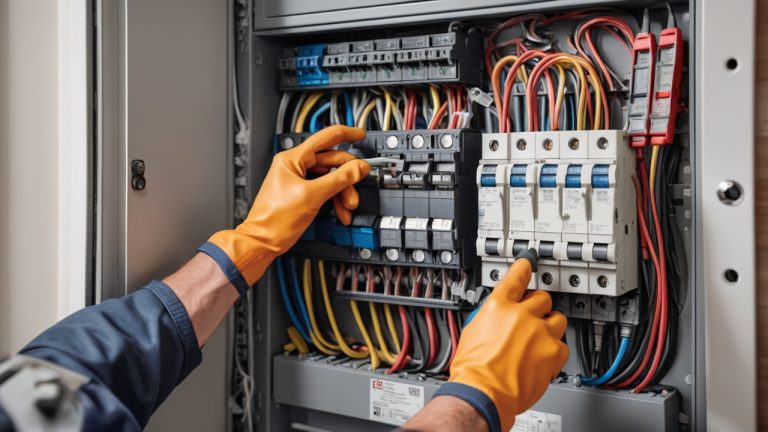
It’s common for these terms to be used interchangeably, yet they describe discrete elements of your electrical infrastructure. A service upgrade focuses on the supply side: the meter base, the service conductors between the utility and your home, and the main disconnect that isolates your property. In contrast, a panel upgrade involves replacing or expanding the distribution panel inside the house—where breakers, bus bars, and branch circuits live.
Why does the distinction matter? Because updating only one of the two can leave you with an imbalanced system. Picture replacing the main water valve but leaving the supply pipe from the street undersized—the pressure remains limited. For true performance and safety, both service and panel often need to be matched to the actual and projected load.
When a professional evaluates your home, they will perform a load calculation and decide whether the meter, feeders, panel, or a combination of these components must be upgraded. It’s this holistic perspective—thinking of the system as an integrated whole—that separates a durable upgrade from a temporary fix.
When Should You Consider an Upgrade?
Waiting until a catastrophic event forces your hand is a risky strategy. Certain signs and life changes should prompt immediate evaluation. Recurrent breaker trips during normal usage, faint buzzing or warmth at the panel, or noticeable dimming when major appliances start are clear signals that your system is strained. Age is another major factor: panels older than thirty years, especially those predating important safety code updates, are often due for replacement even if they’re not visibly malfunctioning.
Also consider life events: adding a Level-2 EV charger, installing a heat pump, finishing a basement suite, or equipping a workshop with heavy-duty tools all create new, sustained electrical demand. Each case should be examined through a professional load calculation to determine whether existing infrastructure can accommodate changes or needs to be upgraded.
Lastly, if you are selling your home or undertaking a major renovation, getting the panel and service sorted out early prevents delays in inspections and avoids last-minute compliance problems that can stall a sale or construction timeline.
Key Warning Signs You Should Not Ignore
A few specific symptoms reliably point toward the need for professional attention. Frequent circuit trips under normal circumstances—like running a microwave and dryer simultaneously—suggest that circuits are routinely being pushed beyond design limits. Flickering or dimming lights when HVAC equipment or motors start can indicate voltage drop or overloaded feeders. Heat around the panel cover or a persistent humming noise can be indicators of loose connections or deteriorating components, both of which increase fire risk. Any of these should prompt a safety inspection without delay.
Another frequently overlooked sign is creative wiring work: if you find many extension cords in permanent use, tied-in surge strips for major appliances, or “add-on” devices squeezed into the panel, these are red flags. They may reflect a house that grew around its electrical system, rather than a system designed to serve the house safely. A seasoned electrician will spot these patterns quickly during an inspection.
Finally, if you have an older panel model known for common defects—such as certain legacy brands or fuse-type panels—treat this as a priority. Those vintage systems were fine for their time but often lack modern protective devices and have parts that degrade in ways not always visible to the untrained eye.
What to Expect from a Professional Upgrade
A high-quality upgrade is methodical and transparent. It starts with a thorough discovery phase where the electrician inventories appliances, HVAC systems, charging needs, workshop tools, and any planned future loads. They perform a standardized load calculation based on Canadian and BC Electrical Code practices, which informs the recommended service amperage and panel configuration. This step ensures the work is sized to actual needs—not rough guesses.
Next comes permitting and utility coordination. Upgrades that change service amperage usually require municipal permits and coordination with the utility (e.g., BC Hydro). A responsible contractor manages these administrative steps: pulling permits, submitting sketches, and scheduling required disconnections with the utility. Doing so avoids code violations and prevents unsafe, illegal work.
The physical work typically involves replacing the meter base and feeder conductors, installing a new main disconnect if needed, and fitting an appropriately rated distribution panel inside the home. Modern protective devices—AFCIs, GFCIs, surge arrestors—and properly sized dedicated circuits for high-draw devices are installed. Everything is labeled clearly, tested thoroughly, and inspected by the authority having jurisdiction before the system is commissioned.
Throughout the process, communication matters. A top-tier contractor explains each phase in plain language, outlines expected downtime, and provides documentation and warranty information. That level of transparency is a hallmark of professional, safe electrical work.
Case Example: Heritage Craftsman in Clayburn Hills
A homeowner in Clayburn Hills owned a delightful 1920s Craftsman whose charm hid an electrical system that could no longer keep up. While most knob-and-tube had been replaced over the years, the main service remained a 60-amp fused panel—adequate a century ago but inadequate for modern heating, cooking, and an emerging desire to add a heat pump. They began experiencing dimming lights and nuisance trips when the compressor started.
The chosen course of action was a full service and panel upgrade to 200 amps. The contractor upsized the feeder conductors, installed a new meter base, placed a modern 200-amp panel with room for expansion, and added a dedicated circuit for the heat pump with surge protection. After the upgrade the system ran smoothly even under peak loads, and the homeowner noted the transformation immediately: reliable operation, quieter equipment starts, and the mental comfort of knowing their electrical system matched the home’s character and future needs.
Case Example: Willoughby EV Charger Integration
A family in Willoughby planned to switch to electric vehicles and wanted a Level-2 charger in the garage. Their house had a 125-amp service and a 100-amp panel that was already pushed by HVAC and kitchen loads. After a professional load calculation showed insufficient headroom, the family opted for a coordinated service and panel upgrade to 200 amps, plus a dedicated 40-amp circuit for the EV charger.
The intervention included proper grounding, surge protection, and thoughtful circuit distribution to avoid imbalances. As a result, the EV charged reliably overnight while the rest of the home continued to run without dimming or trips. The homeowners described their experience as “seamless,” noting that the dedicated planning phase prevented future headaches and made the EV transition painless.
How Much Should a Professional Upgrade Cost in Abbotsford?
Cost is almost always the first question homeowners ask, and rightly so. Because each job is unique, exact numbers require site visits. That said, homeowners can budget using general ranges. A panel replacement alone—keeping the existing service—often runs from roughly CAD 2,500 to CAD 4,500. A full service upgrade, including meter replacement, feeder upsizing, permitting, and inspection, typically ranges from CAD 4,500 to CAD 9,000. Complex rewires, difficult access, or remediation of code violations can push costs beyond CAD 8,000.
Influences on price include the length of feeder runs, the need for trenching or conduit, utility fees, municipal permit rates, and labour time. A straightforward attic or basement panel swap is on the low end; a house that requires significant removal and replacement of degraded wiring is on the higher end. Always ask for an itemized quote that lists labor, parts, permits, and contingency for unexpected discoveries.
Finally, beware of quotes that sound too good to be true. Electrical upgrades are safety-critical work. Hiring the least expensive option without verifying licensing, insurance, and references is a false economy that can cost far more in the long run.
| Scope | Estimated Range (CAD) | Notes |
|---|---|---|
| Panel replacement only | $2,500–$4,500 | Useful when service amperage is sufficient |
| Full service + panel upgrade | $4,500–$9,000 | Includes meter, feeders, permit coordination |
| Major rewiring or complex sites | $8,000+ | Older homes or extensive remediation |
How to Choose a Quality Electrical Contractor in Abbotsford
Choosing the right contractor is as important as choosing the right equipment. Start by confirming licensure and insurance. In British Columbia, electrical work requires a licensed electrician—always ask to see credentials and proof of liability coverage. Reputable contractors will also provide references and demonstrate a history of similar projects.
Request multiple, itemized quotes and take the time to compare line items rather than headline prices. A good contractor will explain each step, from permit pulling through to final inspection, and will provide a written timeline and warranty for their work. Experience with local inspectors and utilities—BC Hydro, municipal inspectors and code officers—helps a contractor navigate the process efficiently and avoid costly delays.
During evaluation, test their technical fluency. Ask specific questions about grounding strategy, AFCI/GFCI placement, load balancing, and surge protection. A contractor who answers confidently and explains tradeoffs in clear language is worth a premium. Conversely, if they dodge specifics or provide vague ballpark figures, move on.
Finally, look for post-installation support. Systems can behave unexpectedly once a new panel is live and multiple loads run simultaneously. A willingness to return, test under load, and fix any early defects is a sign of professionalism you should value.
Common Misconceptions and Straight Answers
Will upgrading my panel make my electric bill higher?
No. Upgrading the panel or increasing service amperage does not change how much electricity you use. The upgrade raises capacity and reliability; it does not create additional consumption. Your bill still depends on the devices you run and how often you run them.
Can I simply add a sub-panel instead of upgrading the main?
A sub-panel can help redistribute circuits but does not solve a weak incoming service. If the main service is undersized, adding a sub-panel simply reshuffles the problem. A full assessment will show whether a sub-panel is a temporary convenience or a stopgap that delays the necessary, safer upgrade.
Will the electrician have to rewire my entire house?
Not always. Many existing circuits can remain if they are correctly sized and in good condition. However, older or damaged wiring often requires targeted replacement for safety. The professional assessment will recommend the minimal rewiring necessary to meet code and ensure safe operation.
Project Timeline: What to Expect
A typical upgrade—coordinated properly with permits and utility schedules—unfolds over roughly one to two weeks. That timeline includes assessment, permit submission, material ordering, temporary disconnection scheduling with the utility, the physical upgrade of service and panel, detailed testing, and final inspection. Expect short power interruptions; a conscientious contractor will communicate when these will occur and may offer temporary solutions for essential circuits.
Contingencies are normal, especially in older homes where hidden conditions (like compromised conduit or unexpected corrosion) can appear once work begins. Budgeting a modest time and financial contingency will prevent stress if the project requires an extra day or two of work to resolve unforeseen issues.
After commissioning, the electrician should provide clear documentation: a schematic of the new panel, labeling for each breaker, and warranty paperwork. Keep these documents with your home records and share them with future buyers—they add tangible value at resale time.
Long-Term Benefits That Matter
A correctly implemented panel and service upgrade yields measurable improvements. Devices run with steadier voltage, reducing wear and tear. You gain headroom for future electrification projects, from EVs to solar plus battery systems. Insurance companies sometimes prefer homes with modern, code-compliant electrical systems—so an upgrade can simplify renewals or reduce friction during claims processing.
Equally important is the psychological return: homeowners repeatedly report feeling a deep relief after an upgrade, knowing their home’s backbone matches their lifestyle. That quiet peace of mind, though difficult to quantify, is a real and recurring benefit in post-installation interviews.
Finally, a modern, labeled panel is simply easier to live with. You will spend less time troubleshooting, and more time enjoying your home’s conveniences without wondering whether the next appliance will push the system over the edge.
Practical Next Steps: How to Prepare
Start by making a list of major electrical loads in your home: HVAC, dryer, oven, hot water heater, EV charger plans, and any high-power tools. Photograph your current panel and meter setup; contractors appreciate those photos during initial consultations. Request three itemized quotes and compare line-by-line. Ask each contractor to include permit and utility coordination fees in the proposal so nothing surprises you later.
Prepare for short power interruptions during the project and ask the contractor how they handle essential circuits. If you have medical equipment or critical refrigeration, let the contractor know early so they can plan temporary power or staging. Finally, retain all documentation after completion—warranty records, permit sign-off, and the panel schematic—which will prove invaluable for insurance, resale, or future upgrades.
Conclusion — Take the Next Step with Confidence
Professional Panel and service upgrade Abbotsford are an investment in safety, reliability, and future flexibility. In Abbotsford, where energy demands are evolving, a timely upgrade prevents nuisance problems, reduces fire risk, and creates space for electrification projects like EVs and heat pumps. The process should be collaborative: a skilled electrician will run precise calculations, handle all permitting and coordination, and leave you with a clearly labeled, code-compliant system.
If your home shows signs of strain—frequent trips, dimming lights, old equipment—it’s smart to act now rather than later. Collect information, get multiple quotes, and select a licensed professional who communicates clearly. The payoff is more than technical: it’s the comfort of knowing your home’s electrical backbone can support life as you choose to live it.
FAQ — Quick Answers (Snippet Friendly)
What is the difference between a panel upgrade and a service upgrade?
A panel upgrade replaces the distribution board and breakers inside your home. A service upgrade increases the incoming power capacity from the utility (meter base, feeder conductors, main disconnect). Both are often needed together to safely increase household electrical capacity.
How much does a full panel and service upgrade typically cost in Abbotsford?
Expect roughly CAD 4,500–9,000 for a coordinated service and panel upgrade, depending on site complexity, permitting, and wiring needs. Panel-only replacements tend to be CAD 2,500–4,500. These are general ranges—obtain itemized quotes for precise costs.
Will upgrading to a 200 amp service increase my electricity bills?
No. Upgrading service amperage simply increases capacity and reliability; it does not increase energy consumption. Your bill is determined by actual device usage and hours run, not by the service rating of your panel.